Stan Lee
The office boy who built a universe. Stan Lee joined a comics publisher at 17 in 1939 and went on to co-create Spider-Man, the Fantastic Four, the Hulk and the X-Men.
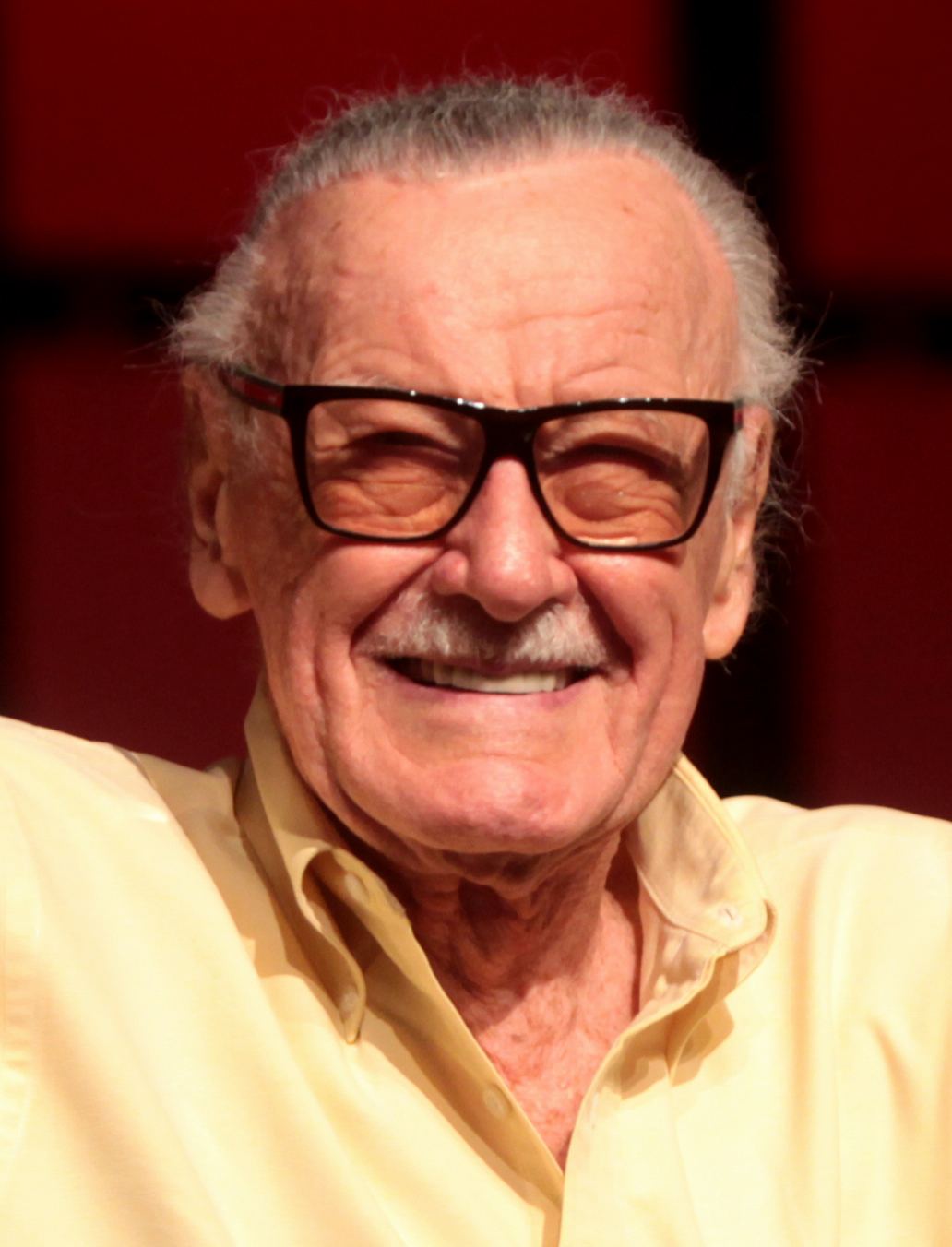
Stan Lee at a convention: Gage Skidmore, CC BY-SA 3.0
Starting at the bottom
Stanley Lieber was hired in 1939 to fill inkwells and fetch lunch at a small comics publisher in New York. He was 17. Within two years he was writing stories, and he signed them Stan Lee because he was saving his real name for the serious novels he planned to write one day.
The novels never came. Instead he spent two decades producing whatever sold, from westerns to romance to monster stories, and by 1960 he was close to quitting the business.
Heroes with problems
In 1961 his wife Joan suggested that if he was going to leave anyway, he should first write the kind of comic he wanted to read. With artist Jack Kirby he created the Fantastic Four, a team that argued, worried about rent and did not wear masks. It sold, and the floodgates opened.
Over the next few years Lee co-created the Hulk, Thor and Iron Man with Kirby, Spider-Man and Doctor Strange with Steve Ditko, and the X-Men with Kirby again. The shared idea was that heroes could have ordinary troubles, and readers who had never cared about superheroes suddenly did.
The voice of the company
Lee was also the company's cheerleader. He wrote chatty letters pages, gave artists nicknames, signed off with Excelsior and turned readers into a club. Later he became the public face of the characters, appearing in cameos in most of the Marvel films until his death.
Credit for the creations has been debated for decades, and the artists he worked with, above all Kirby and Ditko, deserve equal billing for the characters and the storytelling. Lee himself said in later years that the collaborations were true partnerships.
Why he matters here
Lee received the National Medal of Arts in 2008 and a star on the Hollywood Walk of Fame in 2011. He died in 2018 at 95, having lived to see the characters he co-created become the biggest film franchise in history.
His lesson for anyone building something new is simple: give your heroes real lives, and talk to your audience like friends. Our own Next Level Universe tries to follow it.
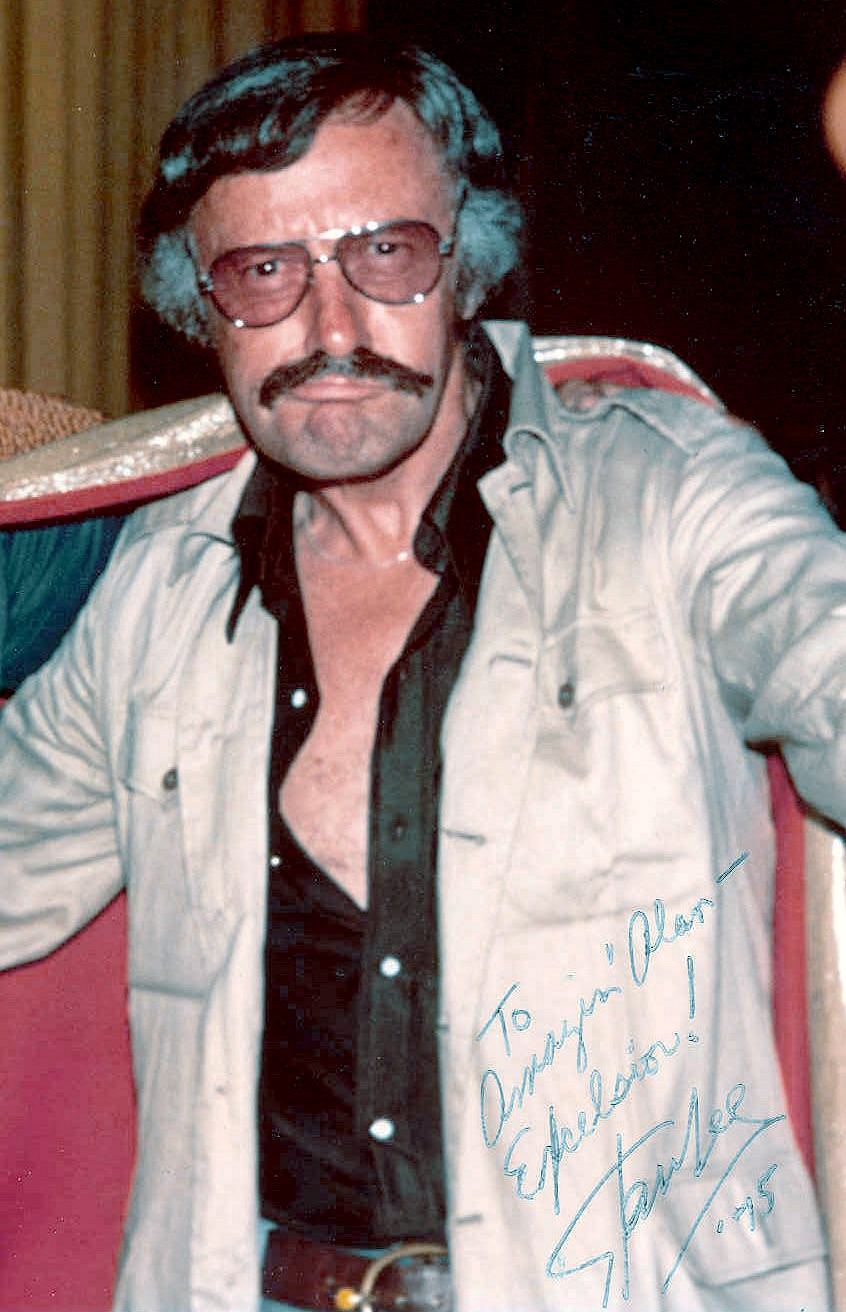
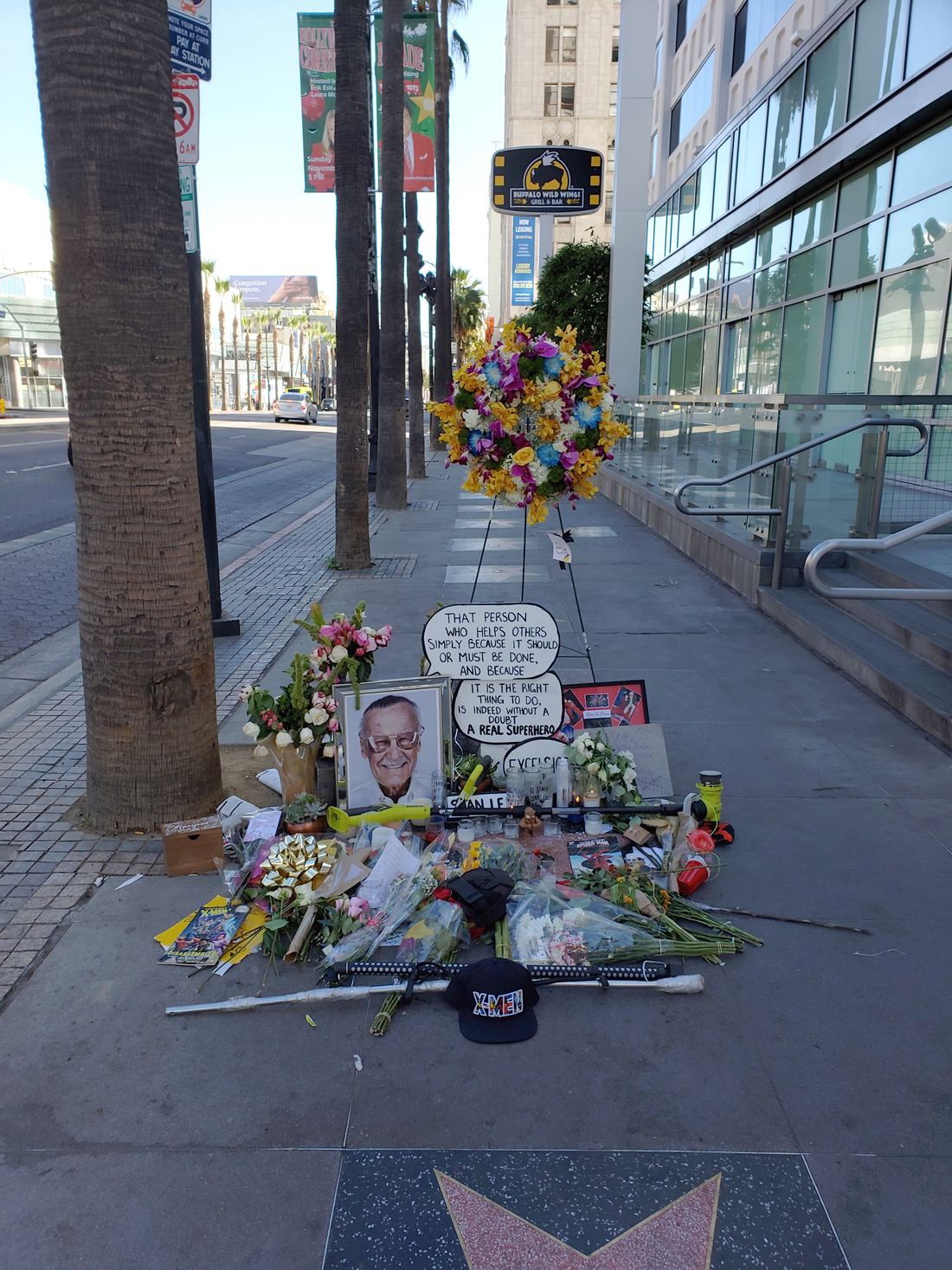
- Stan Lee at a convention: Gage Skidmore, CC BY-SA 3.0
- Stan Lee in 1975: Alan Light, CC BY 2.0
- His star on the Walk of Fame: Josh Lim (Sky Harbor), CC BY-SA 4.0
Text written by Next Level Superheroes.
← Adam West and the 1966 BatmanHugh Jackman's 24 Years as Wolverine →