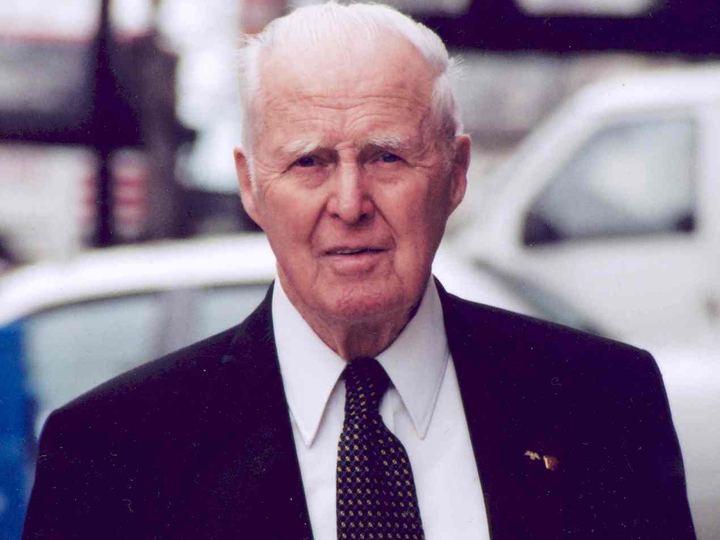
Frank Pantridge
He put the defibrillator in an ambulance. In 1965 Belfast cardiologist Frank Pantridge built the first portable defibrillator and put it in an ambulance. Every AED on a wall today follows his idea.
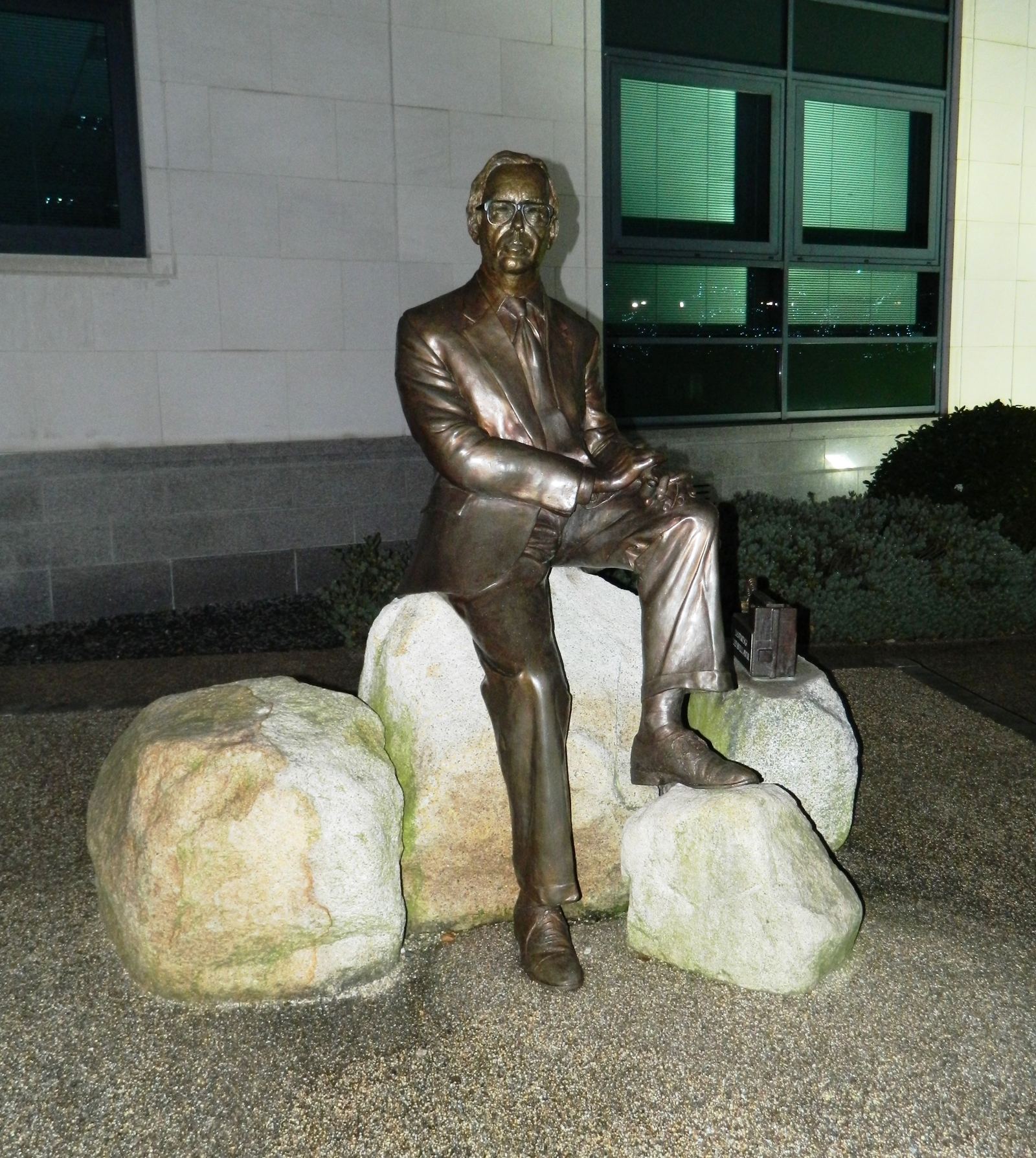
The Pantridge statue in Lisburn: Bazonka, CC BY-SA 3.0
A problem he could not accept
Frank Pantridge was a heart specialist in Belfast in the 1960s. He saw the same pattern again and again: a patient's heart stopped, an ambulance brought them to hospital, and by the time they arrived it was too late. The equipment to shock a heart back into rhythm existed, but it was a heavy machine that lived in a hospital ward.
His answer was simple to say and hard to build. If patients could not reach the defibrillator in time, the defibrillator had to go to the patient.
Seventy kilograms of hope
In 1965 Pantridge and his colleague John Geddes built the first portable defibrillator. It weighed about 70 kilograms and ran on car batteries, so it had to be carried on a Belfast ambulance rather than by hand. It worked, and lives were saved on the way to hospital for the first time.
The design shrank fast. By 1968 a version using a small capacitor weighed about three kilograms, light enough for one person to carry up the stairs of a house. The idea of treating cardiac arrest where it happens, rather than after a journey, became known as the Pantridge plan.
From Belfast to every airport
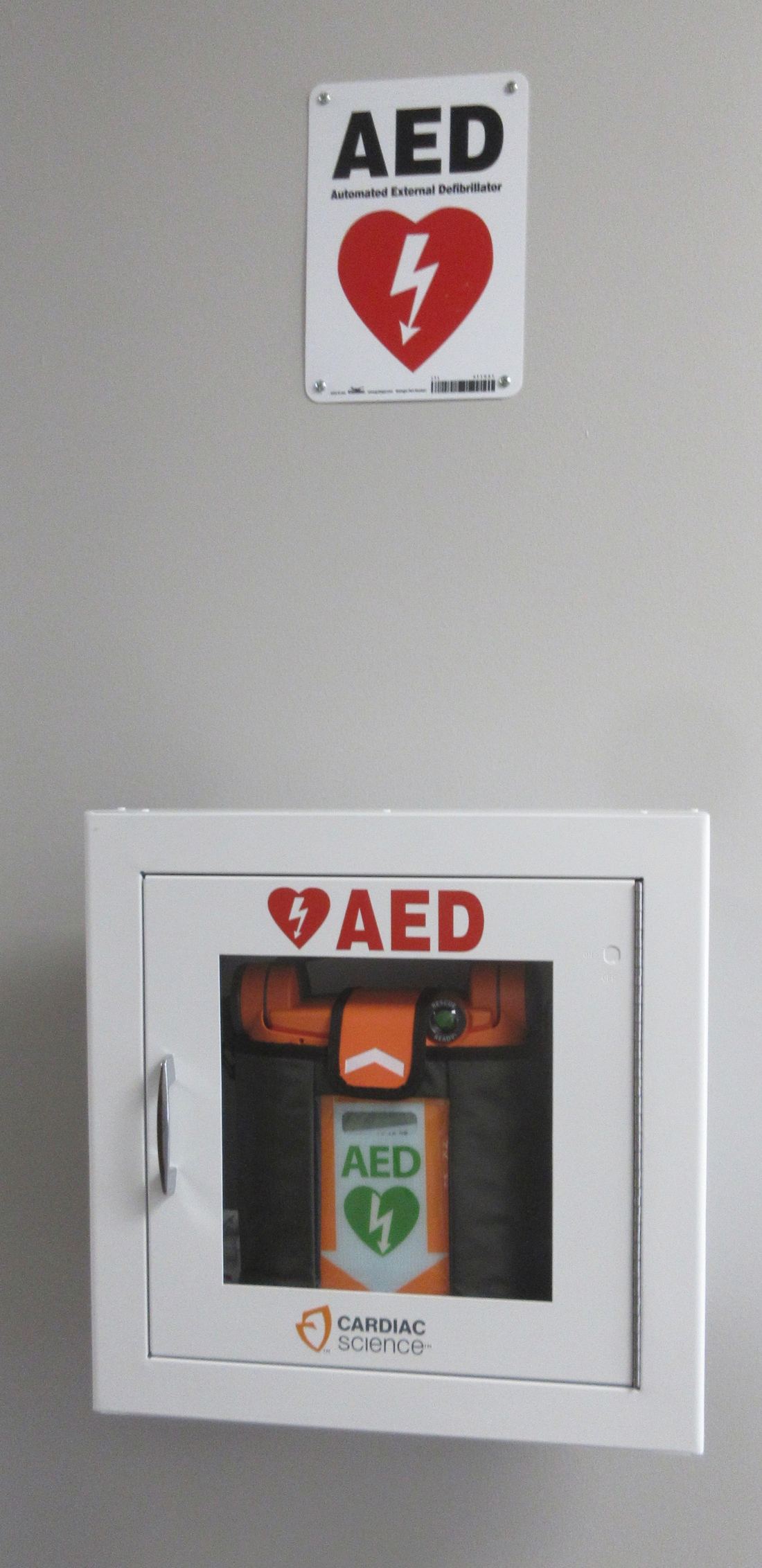
Ambulance services in the United States were among the first to adopt the approach, and it spread around the world. Today automated external defibrillators hang on walls in airports, gyms, schools and shopping centers. They talk the rescuer through every step, so a stranger can save a life before the ambulance arrives.
Every one of those green and white boxes traces its family tree back to a Belfast ambulance in 1965.
The man behind the machine
Pantridge was known as a sharp, direct doctor who did not have much patience for red tape. He wrote that people should not die of a condition that could be reversed with a shock, and he spent his career making sure fewer did.
A bronze statue of him stands in Lisburn, near where he grew up. He is often called the father of emergency medicine, and the title fits.
- The Pantridge statue in Lisburn: Bazonka, CC BY-SA 3.0
- A public AED today: Infrogmation, CC BY-SA 4.0
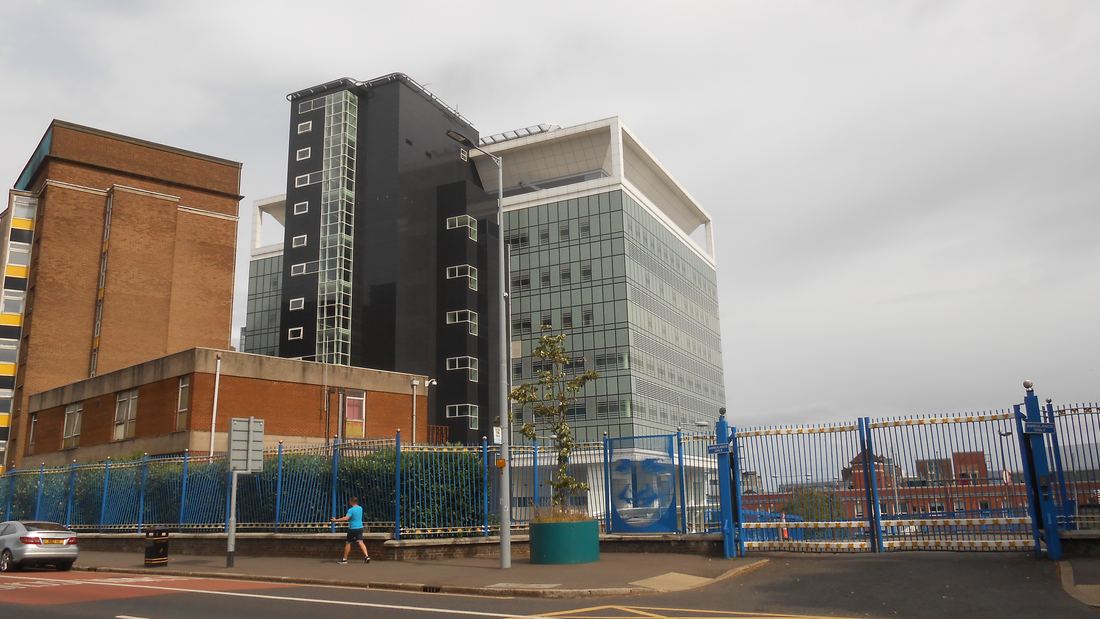
- The Royal Victoria Hospital, Belfast: Joehawkins, CC BY-SA 4.0
Text written by Next Level Superheroes.