Miracle on the Hudson
155 people, one river, zero lives lost. On 15 January 2009 Flight 1549 lost both engines over New York. Captain Sullenberger and his crew landed on the Hudson and everyone survived.
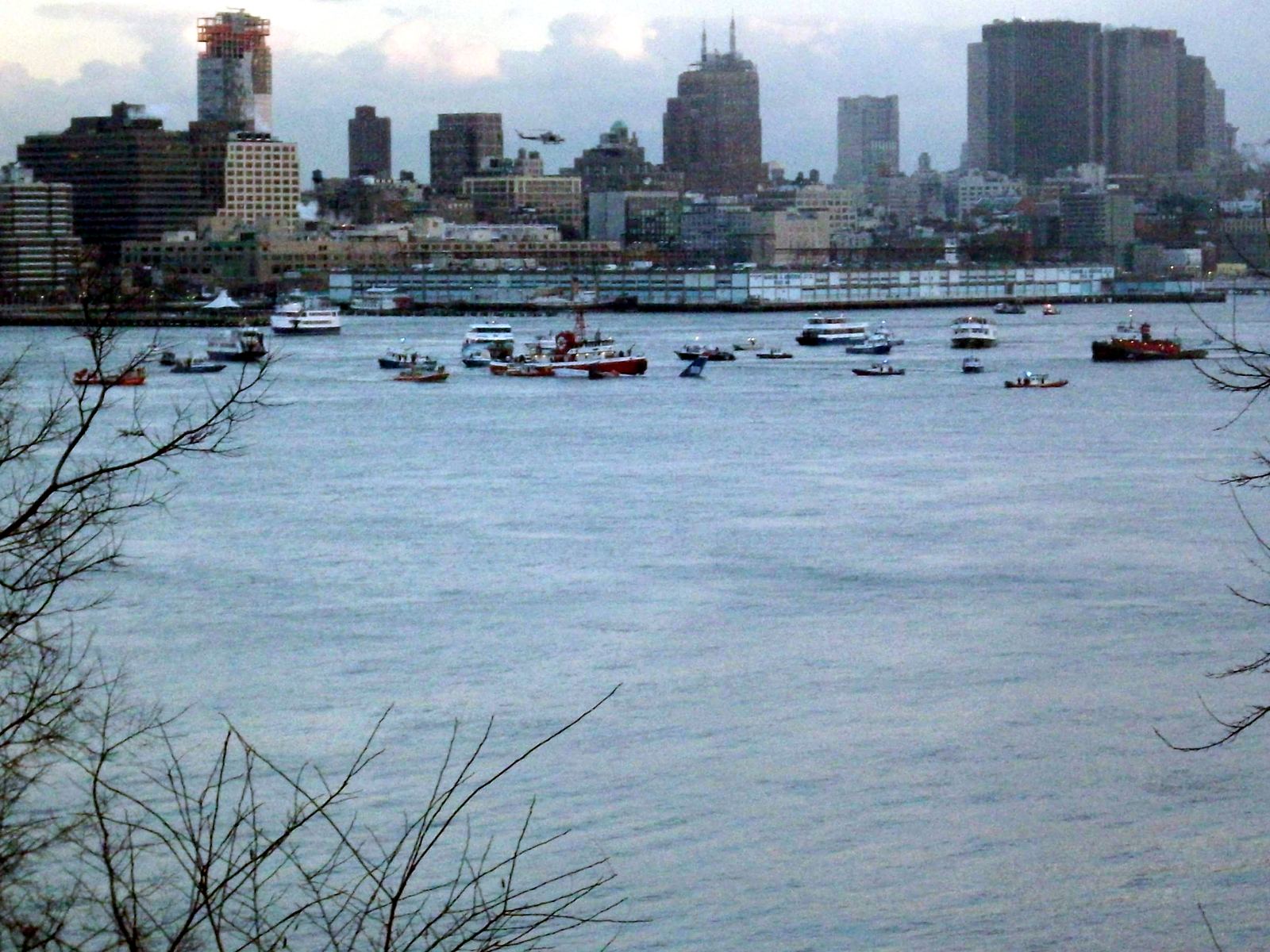
Rescue boats reach the aircraft: Izno, CC BY-SA 3.0
Three minutes after takeoff
Flight 1549 left LaGuardia Airport on a cold January afternoon in 2009, bound for Charlotte, North Carolina. Less than two minutes into the climb the Airbus flew into a flock of Canada geese. Both engines took birds and lost thrust at the same time, something airline pilots train for but almost never see.
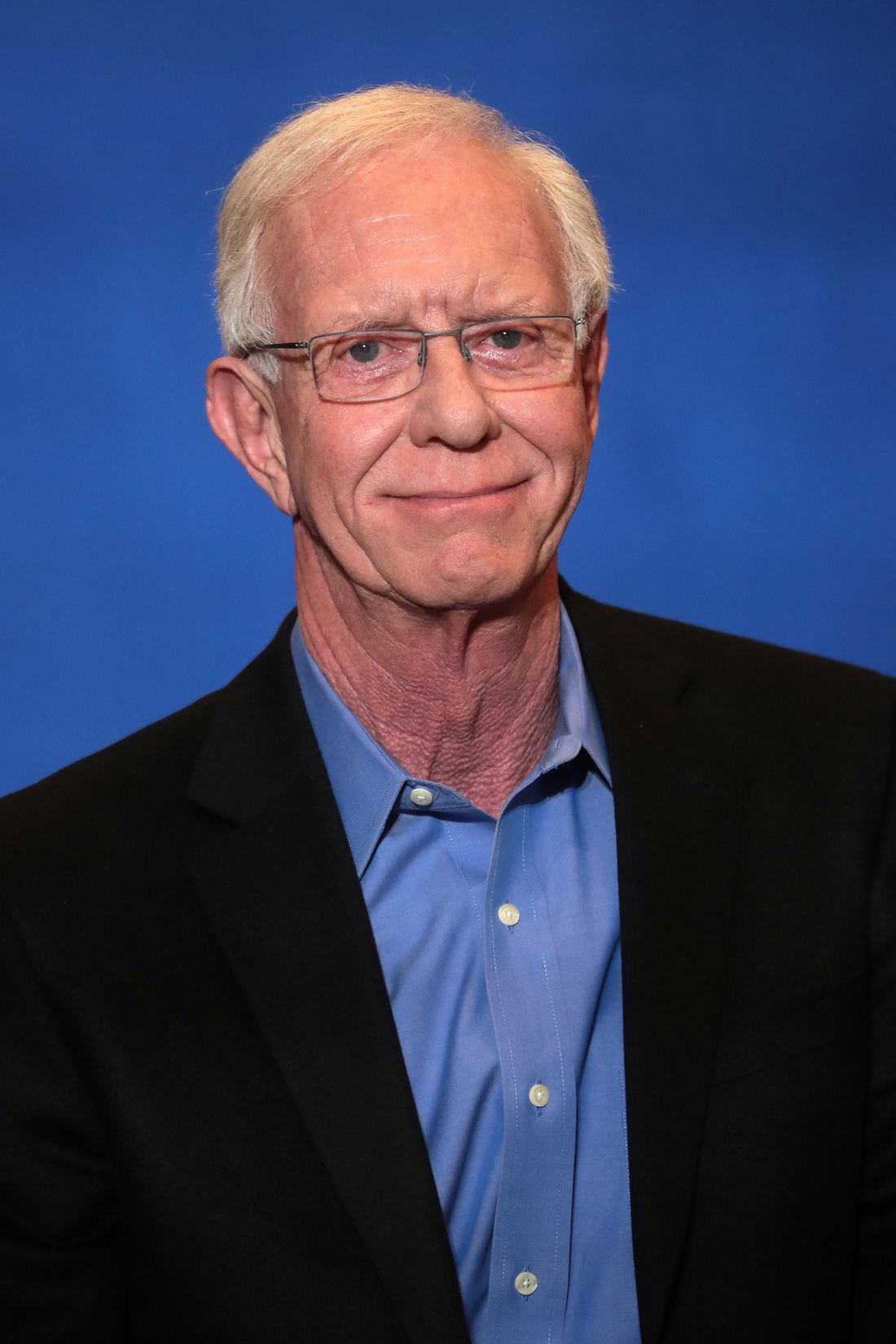
Captain Chesley Sullenberger took the controls while First Officer Jeffrey Skiles ran the restart checklist. Air traffic control offered a return to LaGuardia and then a runway at Teterboro in New Jersey. Sullenberger judged that the aircraft, now a glider, could not safely reach either. His reply has become famous: they would be landing in the Hudson.
A landing on water
Ditching a jet airliner is one of the hardest things a pilot can attempt. The aircraft has to touch the water level, nose slightly up, at the slowest safe speed, so that it does not dig in and break apart. Sullenberger brought the A320 down on the river near midtown Manhattan about three and a half minutes after the bird strike.
The cabin crew opened the doors and passengers climbed out onto the wings and into the inflatable slides, which doubled as rafts. The water was close to freezing and the aircraft was slowly sinking, so every minute mattered.
The rescue on the river
Help came fast because the Hudson is a working river. Commuter ferries changed course within minutes, and their crews pulled people from the wings and rafts. Fireboats, police boats and the Coast Guard followed. Some passengers were treated for cold and minor injuries, but all 155 people on board survived.
Sullenberger walked the length of the flooding cabin twice to make sure no one was left behind before he stepped off. The crew was honored across the country, and the story became the 2016 film Sully, with Tom Hanks in the lead role.
Why it still matters
The landing is studied by pilots everywhere as an example of calm decision making under pressure. The crew did not do anything flashy. They followed their training, divided the work, chose the one option that kept everyone alive and executed it cleanly.
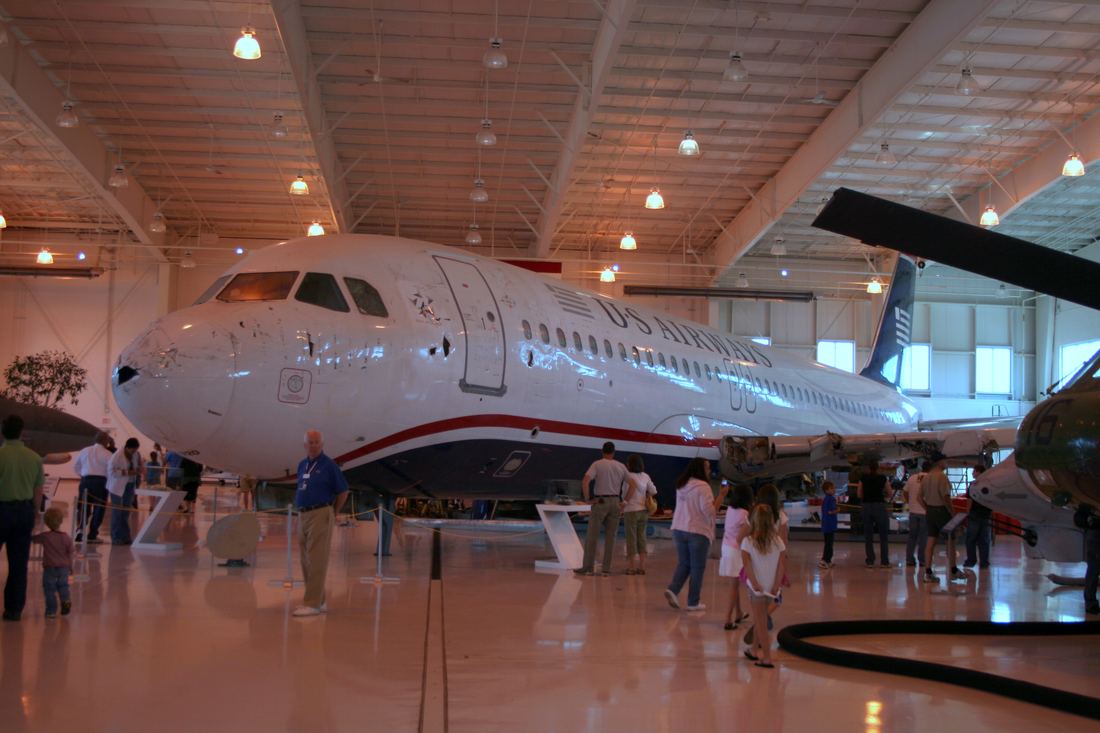
The aircraft itself was pulled from the river, repaired for display and moved to Charlotte, the city it never reached that day. It is now the centerpiece of the aviation museum there, where visitors can stand next to the real airplane.
- Rescue boats reach the aircraft: Izno, CC BY-SA 3.0
- Captain Chesley Sullenberger: Gage Skidmore, CC BY-SA 3.0
- The aircraft today, in Charlotte: RadioFan, CC BY-SA 3.0
Text written by Next Level Superheroes.