Norman Borlaug
The farm boy who fed the world. Norman Borlaug bred wheat that resisted disease and produced far more grain. His work is credited with saving hundreds of millions from hunger.
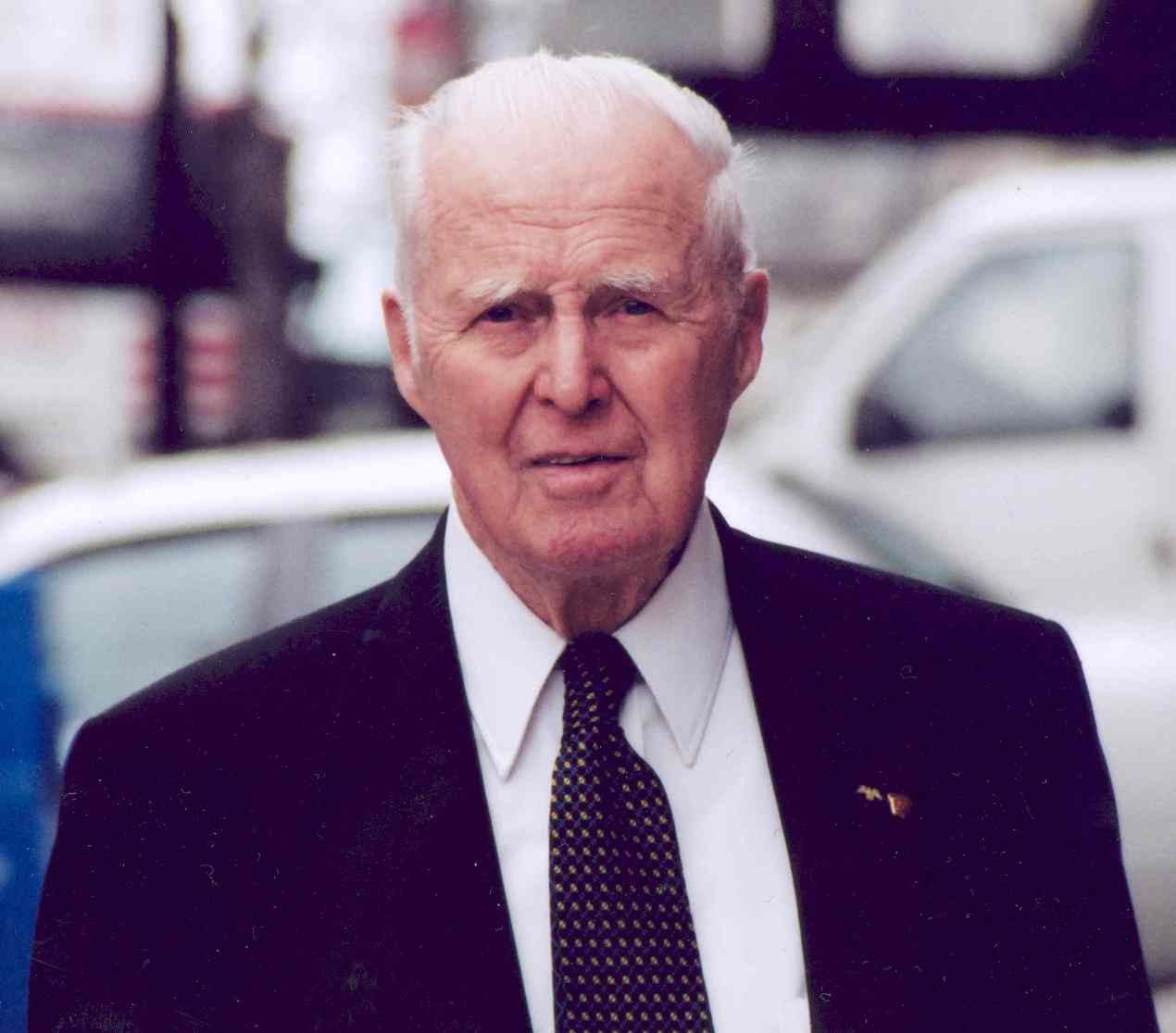
Norman Borlaug in 2004: Ben Zinner, USAID, Public domain
From Iowa to Mexico
Norman Borlaug grew up on a family farm in Iowa, and he knew hunger from the Depression years before he ever studied it. He trained as a plant pathologist and in 1944 joined a program in Mexico, backed by the Rockefeller Foundation, that aimed to help Mexican farmers grow more wheat.
The problem was stem rust, a fungus that wiped out harvests. Borlaug spent years crossing thousands of wheat lines in search of plants that could shrug it off. To speed things up he grew two generations a year, one in the north of Mexico and one near Mexico City, a trick called shuttle breeding that experts told him would not work.
Short wheat, big harvests
Rust resistance was only half the answer. When farmers added fertilizer, tall wheat grew heavy heads and fell over in the wind. Borlaug bred in genes from a short Japanese variety and created semi-dwarf wheat with a sturdy stem that could carry a large head of grain without collapsing.
The results were dramatic. Mexico, which had imported wheat, was growing enough for itself by the mid 1950s. In the 1960s the new seed went to India and Pakistan, where famine was feared, and harvests rose sharply within a few seasons. This period became known as the Green Revolution.
A Nobel Prize for a plant breeder
In 1970 Borlaug received the Nobel Peace Prize, the first time it went to someone working in agriculture. The committee said that he had given the world bread, and that bread is the foundation of peace.
He kept working for decades, pushing for better seed and fertilizer access in Africa and training young scientists. In 1986 he founded the World Food Prize to honor others who improve the world's food supply.
Why he belongs here
Borlaug never wore a uniform or ran into a fire. His heroism was patience: thousands of crosses, years in the field under the sun, and a refusal to accept that millions had to go hungry. Many estimates say his work saved hundreds of millions of lives, and some say a billion.
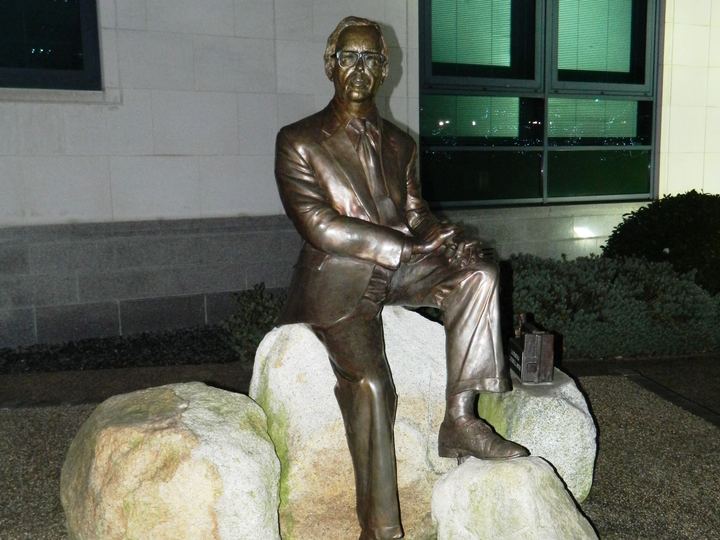
A bronze statue of Borlaug stands in the United States Capitol, unveiled on his hundredth birthday in 2014. He is shown in the field, notebook in hand, which is exactly how he spent his life.
- Norman Borlaug in 2004: Ben Zinner, USAID, Public domain
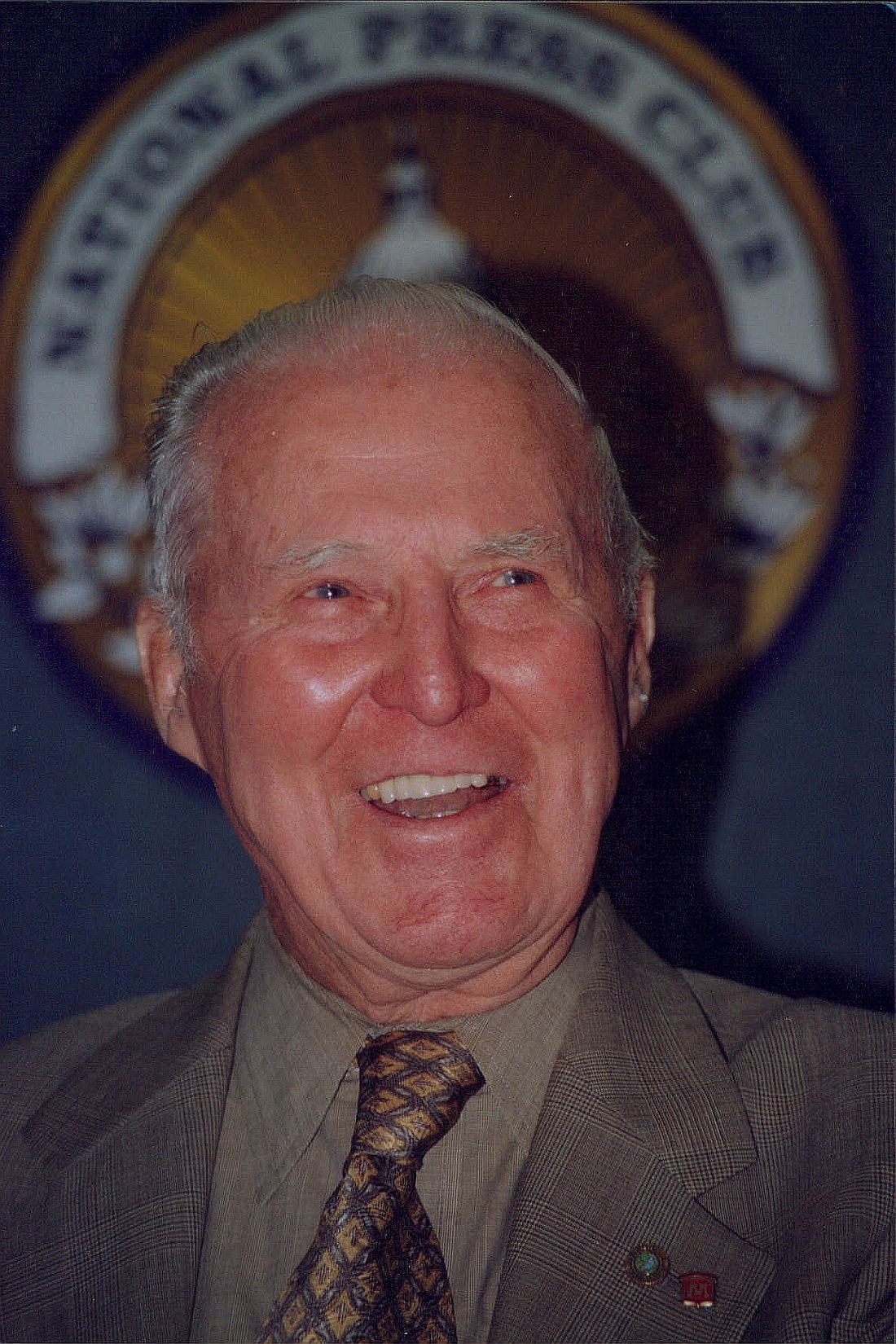
- Borlaug later in life: Kingkongphoto & www.celebrity-photos.com from Laurel Maryland, USA, CC BY-SA 2.0
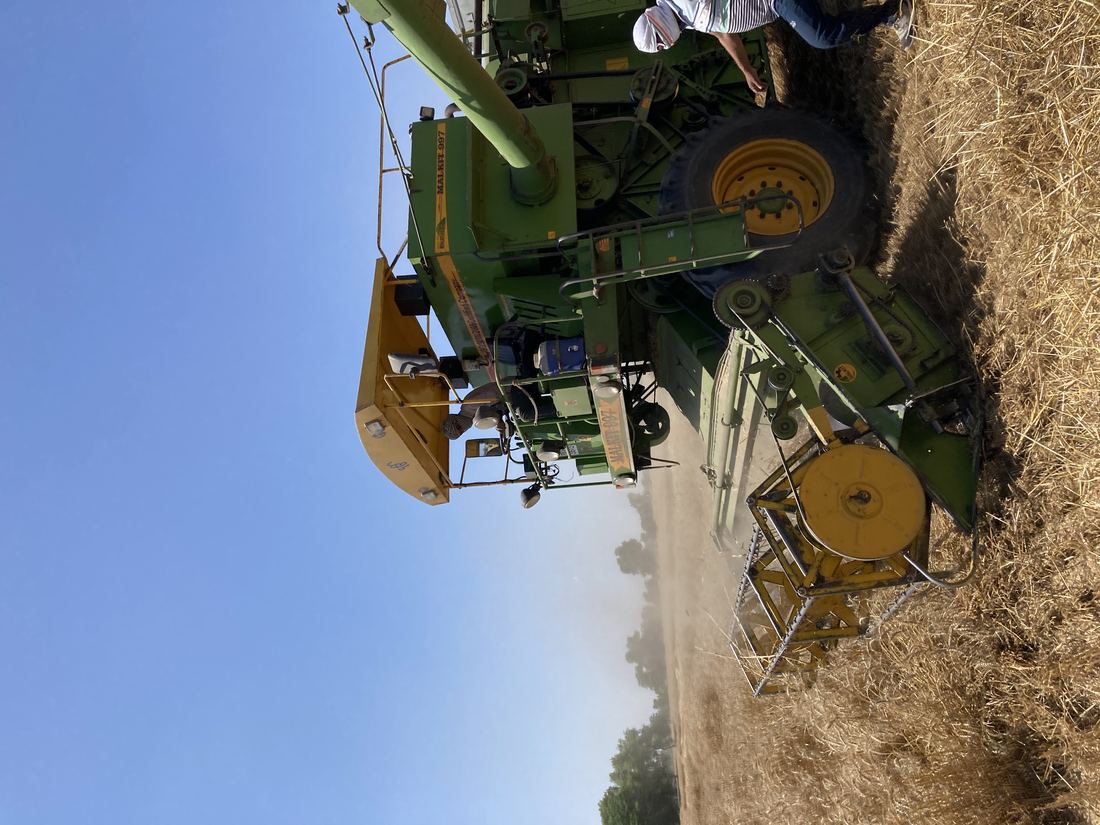
- Wheat at harvest: Chparveshtaak, CC BY-SA 4.0
Text written by Next Level Superheroes.