Jonas Salk
The vaccine he refused to patent. Jonas Salk's polio vaccine was declared safe and effective on 12 April 1955 after a trial of 1.8 million children. He never patented it.
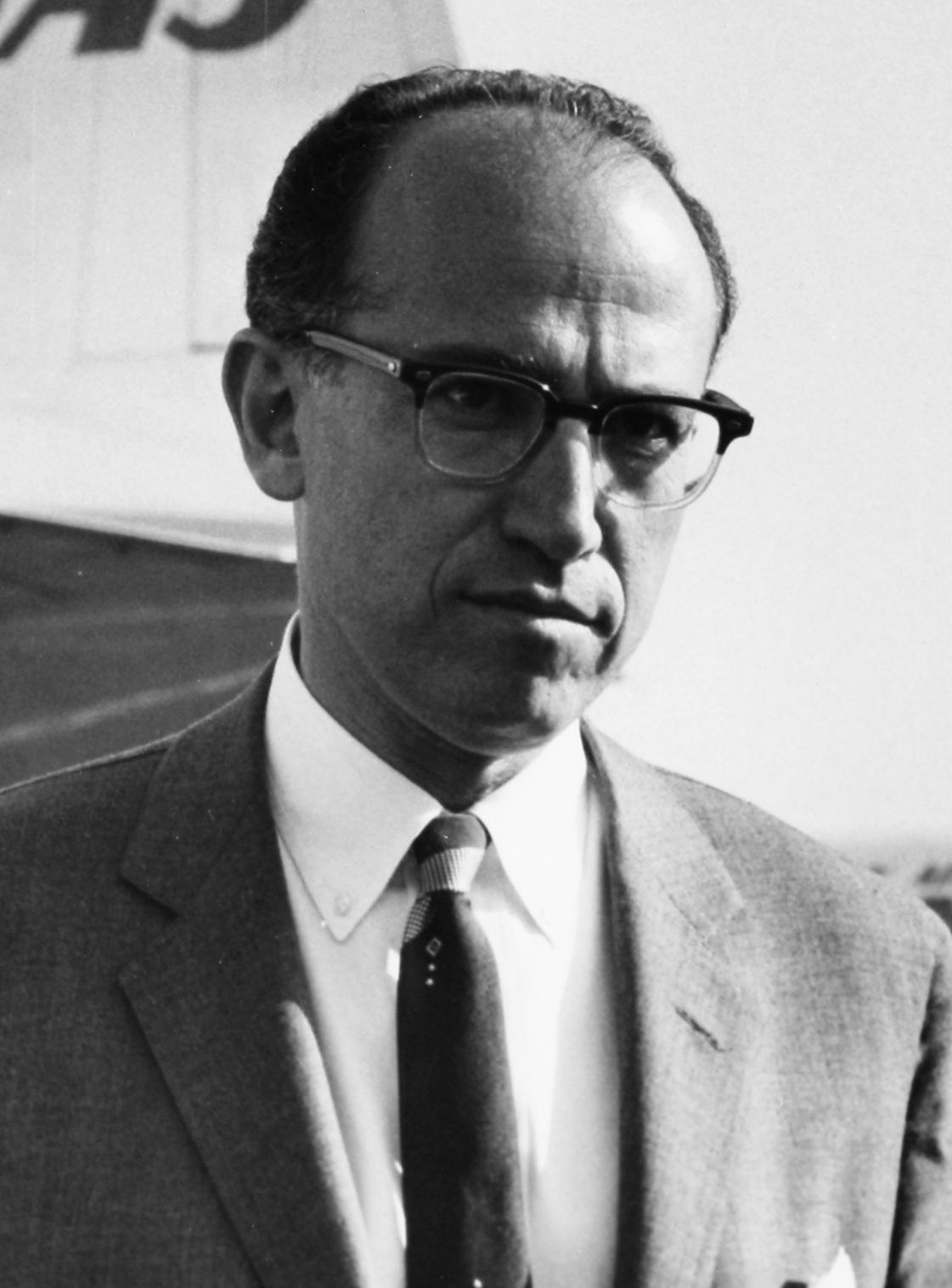
Jonas Salk: SAS Scandinavian Airlines, Public domain
The summer disease
In the early 1950s polio terrified families across the United States and much of the world. It struck mostly in summer, mostly children, and could leave them unable to walk or breathe without help. In 1952 the United States recorded its worst year, with tens of thousands of cases.
Jonas Salk, a researcher at the University of Pittsburgh, took a different path from most virologists of his time. Instead of a weakened live virus, he worked on a vaccine made from virus that had been killed with formaldehyde, which could not cause the disease itself.
The biggest medical trial in history
In 1954 the vaccine went into a field trial on a scale never seen before. About 1.8 million children took part, nicknamed the Polio Pioneers, with many receiving the vaccine and others a placebo so the results could be compared fairly.
On 12 April 1955 the results were announced at the University of Michigan: the vaccine was safe and effective. Church bells rang and people wept in the streets. Within a few years polio cases in the United States fell by more than 90 percent.
Could you patent the sun?
Asked on television who owned the patent on the vaccine, Salk answered that there was no patent, and asked in return whether you could patent the sun. The vaccine had been funded largely by public donations through the March of Dimes, and he felt it belonged to the people.
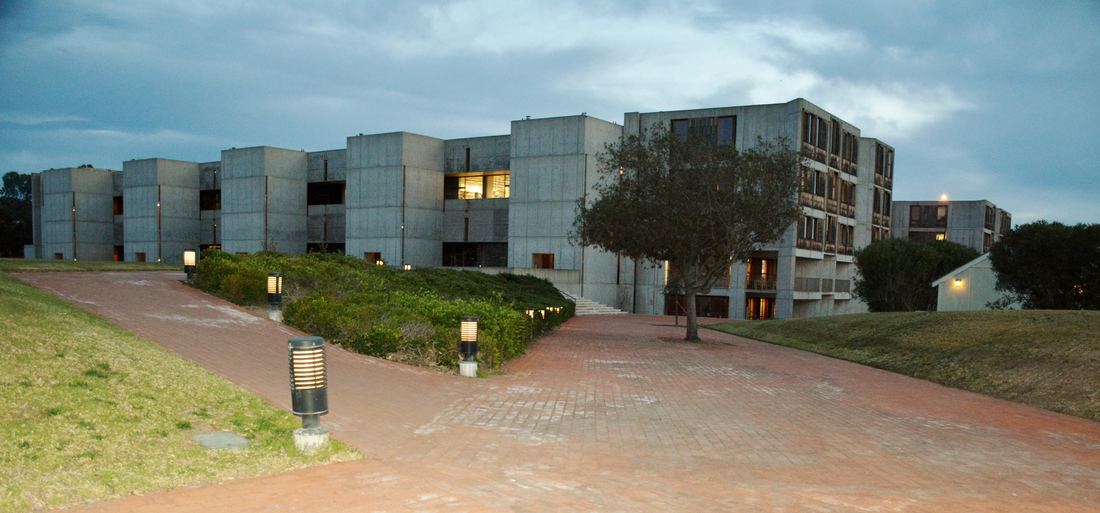
He became one of the most admired scientists in the world almost overnight, a fame he found uncomfortable. He preferred the laboratory, and in 1963 he founded the Salk Institute for Biological Studies in La Jolla, California, where researchers still work today.
Where the story stands now
Polio has been pushed to the edge of extinction by the Salk vaccine and the oral vaccine developed by Albert Sabin. Wild polio now survives only in a few places, and a global campaign keeps working to finish the job.
Salk showed that a hero can be a careful, quiet scientist who gives his best work away. Millions of people who have never heard his name can walk because of it.
- Jonas Salk: SAS Scandinavian Airlines, Public domain
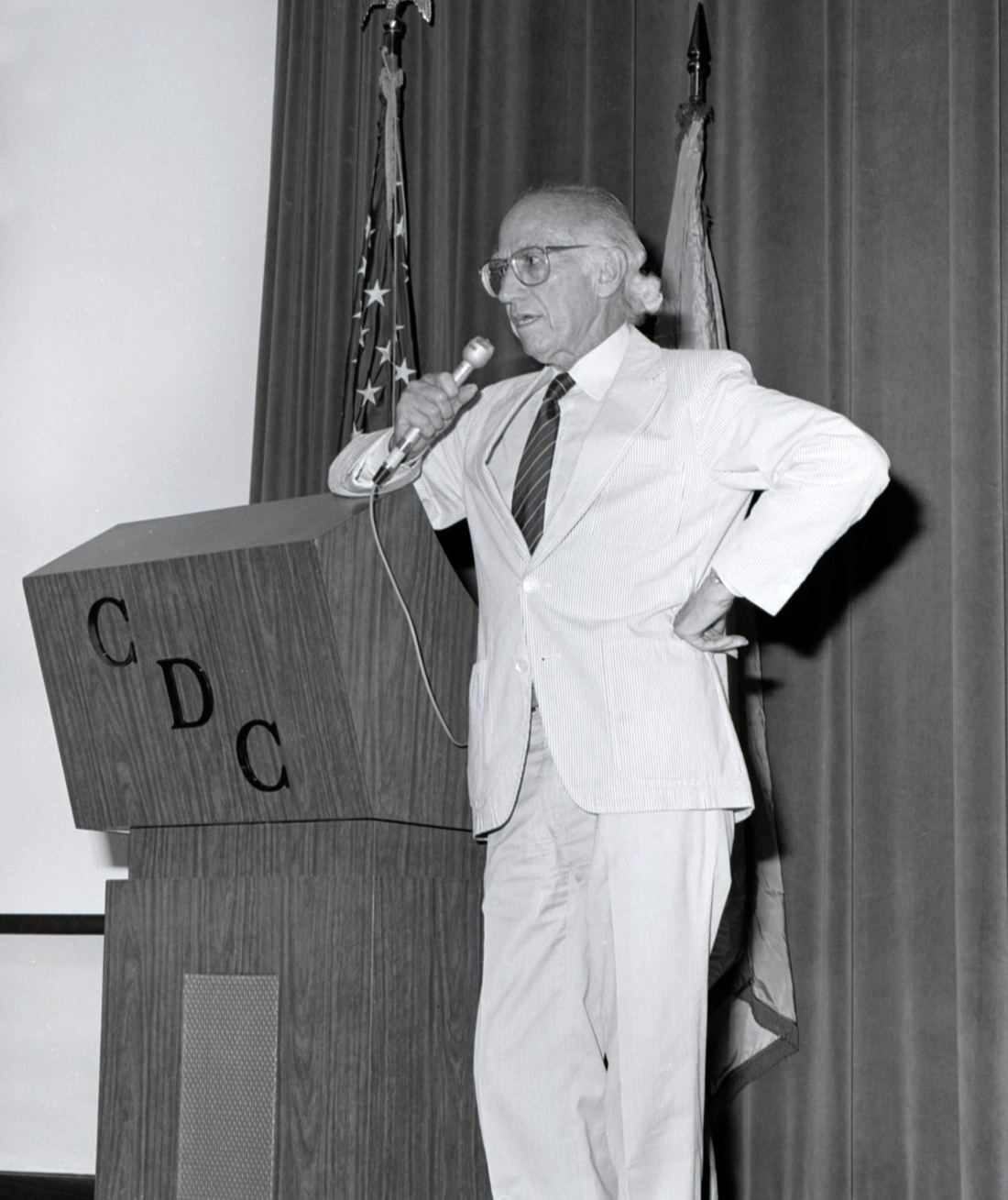
- Salk in 1988: CDC, Public domain
- The Salk Institute, La Jolla: Roman Eugeniusz, CC BY-SA 3.0
Text written by Next Level Superheroes.